
Branded and embroidered jackets: how to choose and brand them
Short answer
Embroidered jackets look smart and wear well, so embroidery is the first choice for fleeces, softshells and gilets. Waterproof jackets need more care: every stitch punches a hole in the membrane, so the logo is sealed from inside or applied with a heat transfer instead. Choose the jacket for the weather first, then the branding.
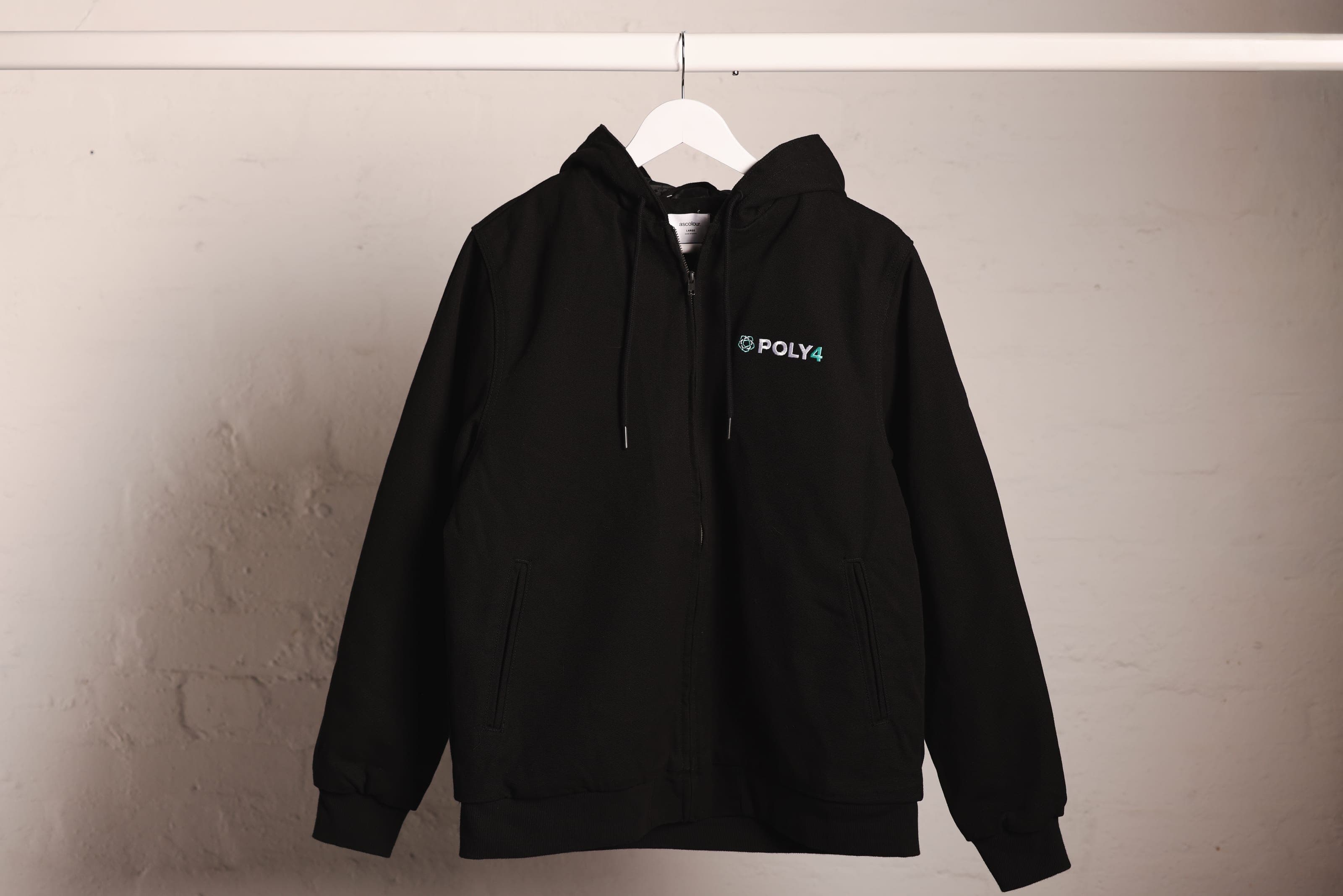
Which embroidered jackets to choose.
Match the jacket to where people will wear it: a desk, a stand in a car park or a hillside in the rain.
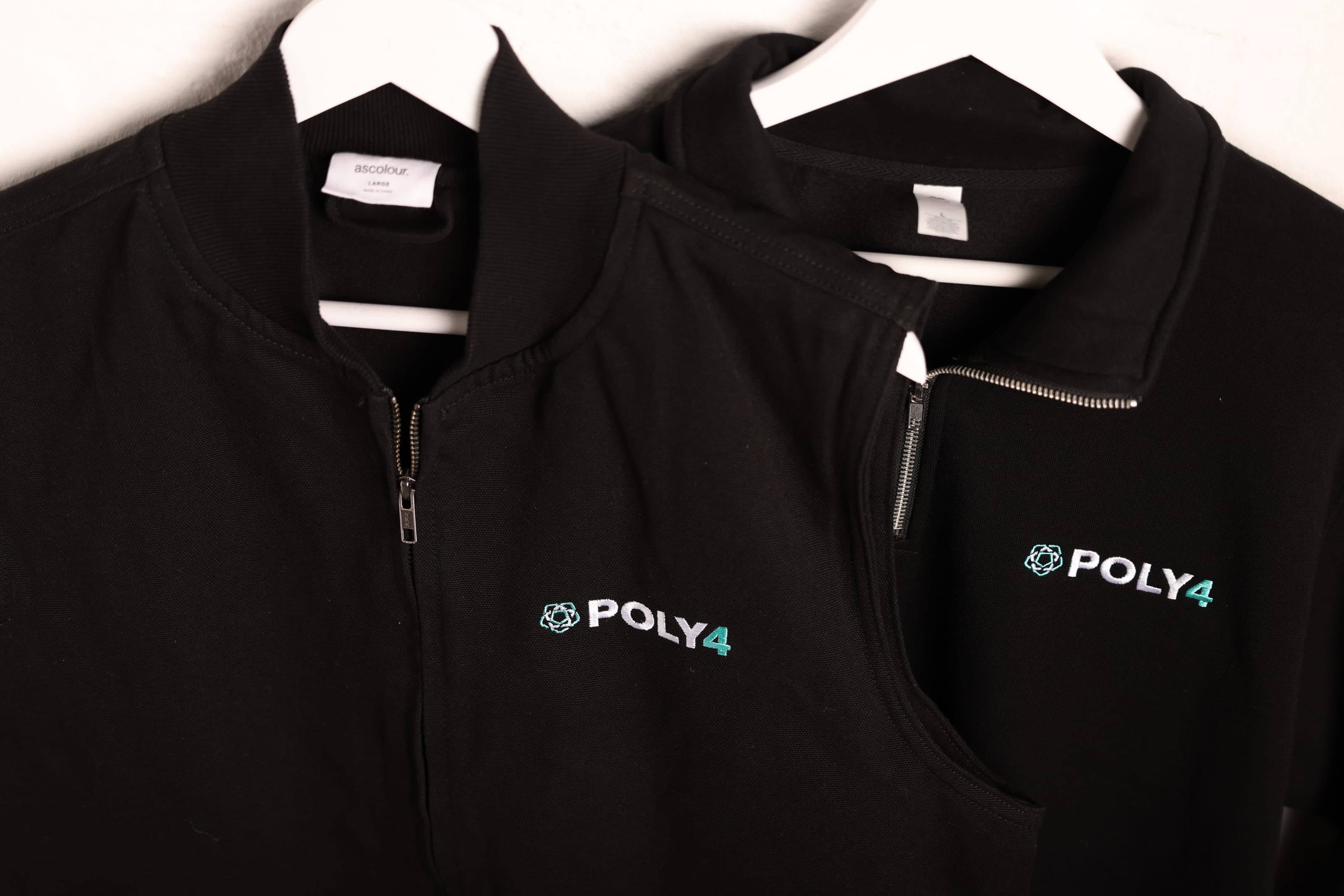
- Fleece
- Warm, soft and easy to embroider, a fleece works as a mid-layer in the office or outdoors. Check the pile: a smoother, tighter fleece shows a logo more cleanly than a long, shaggy one.
- Softshell
- A stretchy, wind-resistant shell with a soft inner face. It’s usually water-resistant rather than fully waterproof (check the spec), which makes it simple to embroider and a good all-round jacket for field teams and events.
- Gilet
- A body warmer leaves the arms free and layers over a shirt or a hoodie. The chest panel gives a clean space for a logo, and it’s an easy size to get right.
- Waterproof shell
- For rain and site work, choose a jacket with taped seams and a waterproof membrane. It’s the best protection, but the hardest to decorate without compromising it (see below).
- Insulated and padded
- Quilted and padded jackets are warm and look premium. Embroidery has to sit on a flat panel away from the quilting lines, so check where the logo can go before you order.
Waterproof and technical fabrics.
Embroidery creates thousands of tiny holes in a concentrated area, which compromises waterproofing. That doesn’t rule it out: decorators seal the back of the embroidered area with a laminate film, pressed on with heat, so water can’t get through the needle holes.
- Sealed embroidery. A laminate or sealing film is pressed onto the inside of the jacket over the stitching. One decorator’s guide suggests cutting the film slightly larger than the logo.
- Heat transfers. A transfer avoids needle holes altogether. Low-temperature transfers suit heat-sensitive fabrics.
- Small placements. A left chest or nape logo affects a small area, which may not matter for a jacket worn mostly in light rain.
How to brand jackets: the best decoration methods.
Where the logo goes.
The left chest is the classic spot and suits every jacket. The upper back, below the collar, is the place for a team name or a larger logo on field and event jackets. A sleeve or the back of the collar takes a small second mark. Avoid zips, pockets, seams and quilting lines, and check the logo isn’t hidden under a rucksack strap.
Artwork tips for jackets.
- Send vector artwork. Embroidery and transfers both start from it, and a chest logo on fleece or softshell is small. An AI, EPS, PDF or SVG file keeps it sharp.
- Simplify for the chest. A chest logo is small. Fine lines, small text and gradients don’t stitch cleanly: use a simplified version of the logo.
- Keep stitch counts sensible. Dense embroidery adds stiffness and, on a waterproof, more needle holes. A lighter design is kinder to technical fabrics.
- Think about contrast. Tonal thread looks premium on dark outerwear; a contrasting colour helps a team be seen. Check the logo against the jacket colour. We confirm the specification for every order.
Making it last.
Follow the jacket’s own care label, especially on waterproofs, where the membrane is the expensive part.
Don’t iron or tumble dry hot over a heat transfer.
Worth knowing
On a heat-sensitive shell, the transfer’s temperature matters: one garment supplier’s guide for decorators recommends a hybrid DTF transfer that can be applied at as low as 260°F (about 127°C).
Source: SanMar U, “How to decorate waterproof fabrics (7 February 2025)”, accessed 6 October 2026. Source 1
Jackets for events and gifts.
Events and field teams
A softshell or gilet with a chest logo and a team name on the back keeps staff warm and recognisable at outdoor events.
Event swagMilestones and leaders
A premium insulated jacket or fleece with a tonal logo is a gift people wear at the weekend, so it suits anniversaries and leadership offsites.
Milestone gifts
Brief your jackets order.
Settle these before you order, then take the list to Select or to a call.
Before you order jackets
Shop online
Order it yourself in Select.
A straightforward order you place yourself: choose your jackets, add your logo and order online, with UK delivery for now.
Shop Select (opens Go Swag Select, a separate site)Managed
Have us run it.
For packed kits, many recipients or delivery outside the UK. We source and brand them, and send them with the rest of your programme.
Start your projectQuestions about embroidered jackets.
Can you embroider a waterproof jacket?
Yes, with care. Every stitch is a needle hole through the membrane, so the embroidered area is sealed from the inside with a heat-applied laminate film. The alternative is a heat transfer, which needs no needle at all. Keep the logo small and the stitch count light.
Embroidery or print on a softshell jacket?
Embroidery is usually the better choice: softshells are usually water-resistant rather than fully waterproof (check the spec), so needle holes matter less, and stitching looks more premium. Choose a heat transfer for very detailed or multi-colour logos, and check it can be applied at a temperature the fabric tolerates.
Fleece, softshell or gilet?
A fleece is a warm mid-layer and easy to embroider. A softshell adds wind resistance and suits people outdoors for long periods. A gilet keeps the core warm, layers over almost anything and is easy to size, which makes it a safe choice for large teams.
Sources
1 source
- 01How to decorate waterproof fabrics (7 February 2025) (opens in a new tab) · SanMar U, accessed 6 October 2026.Back to reference 1

Want us to handle it?
Tell us who you are sending to and what you have in mind. We’ll help connect the products, the packaging and the delivery plan.
Or call 0800 118 4047 or email hello@goswag.com.