
Embroidery vs screen printing: which is right for your swag?
Short answer
Embroidery vs screen printing comes down to the design and the garment. Choose embroidery for small logos on caps, sweatshirts, polos and jackets, where a raised finish matters. Choose screen printing for larger or more detailed designs on T-shirts, hoodies and totes, especially in volume. Many collections use both.
Comparison
- Embroidery
- Caps, beanies, sweatshirts, polos, jackets
- Screen printing
- T-shirts, hoodies (large prints), totes
The short answer.
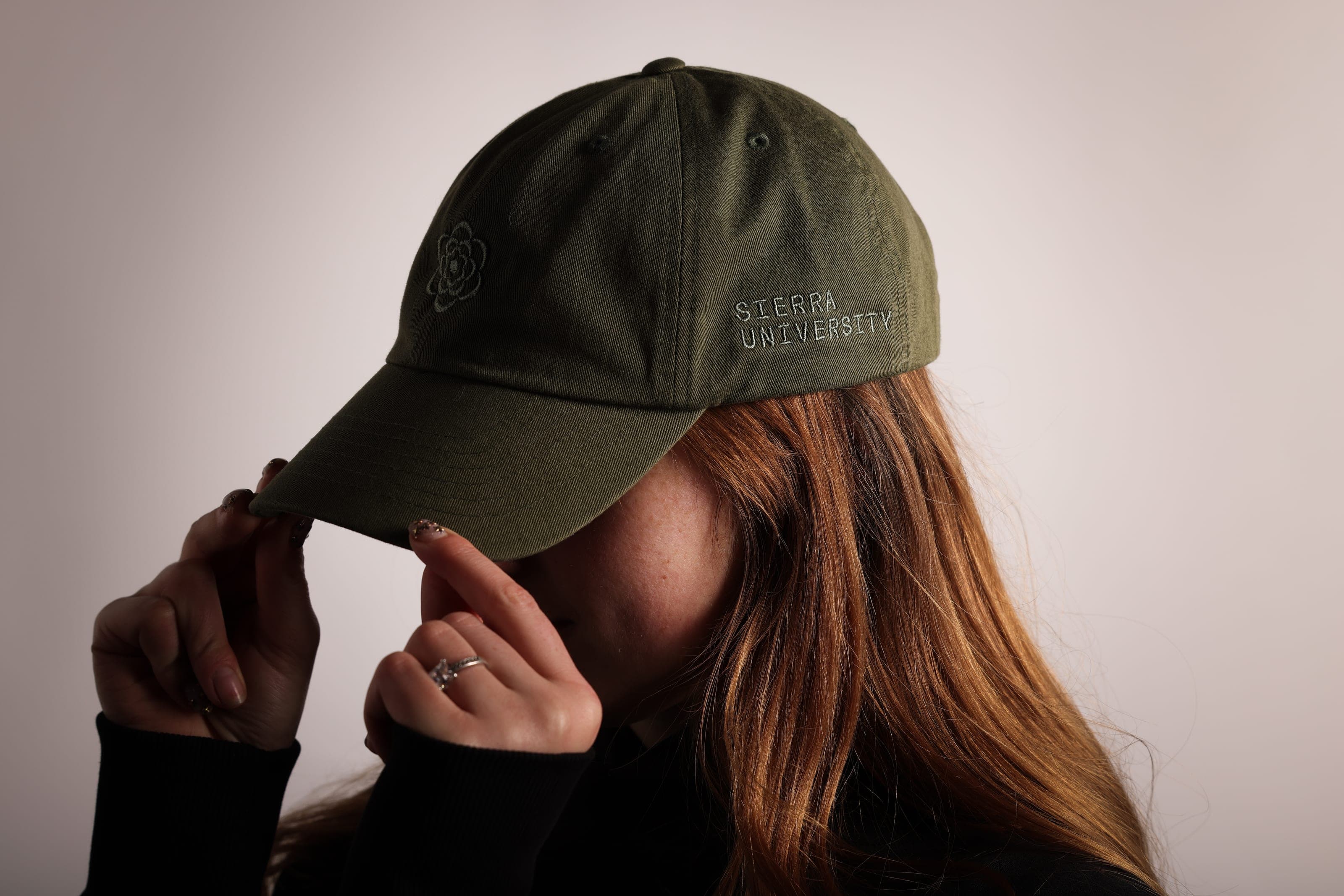
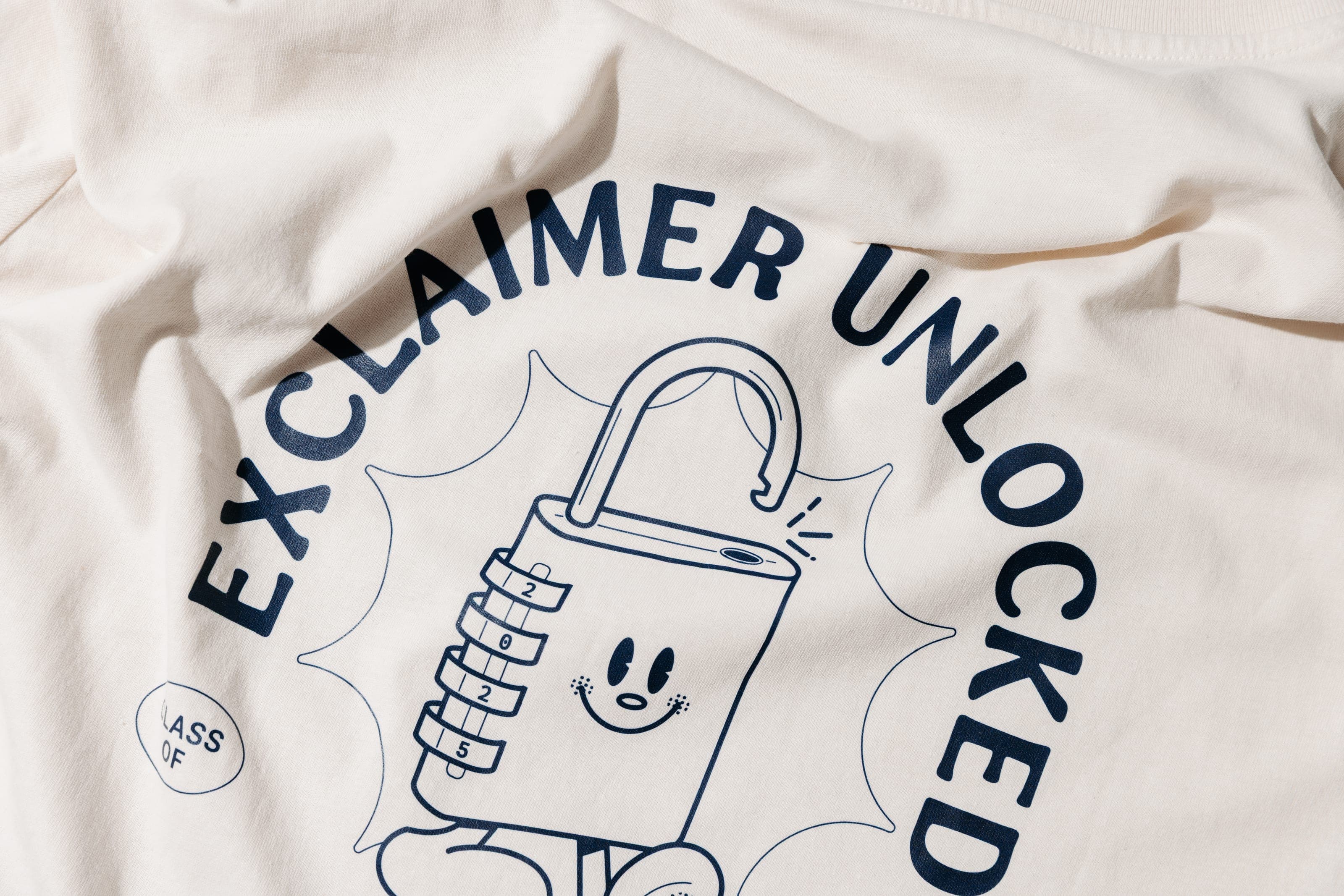
Choose embroidery if:
- the logo is small, such as a chest, sleeve or cap front;
- you want a raised, textured look for staff or client wear;
- the item is heavy: a sweatshirt, cap, beanie or jacket;
- tonal branding, with thread matched to the fabric, suits your brand.
Choose screen printing if:
- the design is large, such as a back print, slogan or illustration;
- it has fine lines or small text that thread can’t hold;
- it goes on T-shirts, totes or lightweight fabrics;
- the run is big enough to share the set-up for each colour.
Side by side.
Neither wins every row, so the design and the garment decide it, not the method.
| Embroidery | Screen printing | |
|---|---|---|
| Look and feel | Raised and textured, with a slight sheen from the thread | Flat and smooth, on the surface of the fabric |
| Detail | Loses very fine lines; one cap maker asks for letters at least 6 mm high | Holds fine lines and smaller type |
| Colour | Solid thread shades, matched to the nearest Pantone | Solid inks matched to Pantone; shading through halftone dots |
| Durability | Hard-wearing; one maker rates its polyester thread for heavy industrial laundering | Washes well when properly cured; under-cured ink can crack |
| Cost drivers | Stitch count, digitising, number of positions | Number of colours (one screen each), positions, quantity |
| Best products | Caps, beanies, sweatshirts, polos, jackets | T-shirts, hoodies (large prints), totes, canvas |
When to use both.
One effective combination is a small embroidered logo on the chest with a large screen print on the back. Embroidery gives the garment its quality signal up close. The print carries the message from across the room. Rightmove’s navy hoodies show the print side of this, with a large “believe it” graphic across the back.
The same split works across a collection. Embroider the pieces people keep, such as the sweatshirt, cap and beanie, and print the pieces made for one day, such as event T-shirts and totes. The collection still reads as one brand, because both are matched to the same Pantone references, so the colours stay close.
Worth knowing
Plastisol, which one ink maker calls the most popular ink in garment printing, is opaque on dark garments, so light colours still show up on navy, black and other dark fabrics.
Source: Lawson Screen & Digital Products, “General information about screen printing plastisol inks”, accessed 6 October 2026. Source 5
Managed
Want both on one hoodie? We’ll plan the chest, the back and the colours together.
Planning something bespoke? Explore Studio
Questions about embroidery and screen printing.
Which is cheaper, embroidery or screen printing?
It depends on the design, not the method. A small one-colour logo is usually economical either way. Large, dense designs push embroidery costs up through the number of stitches, while many colours push screen-printing costs up through extra screens. Send us the artwork and quantity and we’ll compare both.
Which lasts longer, embroidery or print?
Both last well when they’re done properly. One thread maker rates its polyester thread for frequent, heavy-duty industrial laundering. A screen print washes well as long as the ink was fully cured; under-cured ink can crack. Washing inside out and not ironing over the design helps both.
Is embroidery or print better for hoodies?
For a small chest logo, embroidery: a hoodie is heavy enough to hold the stitches, and the texture reads as quality. For a large front or back graphic, print, because thread over a big area adds weight and stiffness. Many team hoodies use embroidery on the chest and print on the back.
Which is better for T-shirts, embroidery or print?
Usually print. A T-shirt is light, so dense stitching can pull the fabric, and most T-shirt designs are bigger than a chest mark. Screen printing keeps the shirt light and holds the detail. A small embroidered logo can work on a heavier T-shirt.
Sources
6 sources
- 01Ricoma Embroidery Machines UK glossary (opens in a new tab) · Ricoma Embroidery Machines UK, accessed 6 October 2026.Back to reference 1
- 02Domestic decoration techniques (opens in a new tab) · OTTO CAP, accessed 6 October 2026.Back to reference 2
- 03Polyneon embroidery thread (opens in a new tab) · Madeira UK, accessed 6 October 2026.Back to reference 3
- 04Registering multiple color screens for screen printing (opens in a new tab) · ScreenPrinting.com, accessed 6 October 2026.Back to reference 4
- 05General information about screen printing plastisol inks (opens in a new tab) · Lawson Screen & Digital Products, accessed 6 October 2026.Back to reference 5
- 06Best practices to ensure proper ink curing (opens in a new tab) · ScreenPrinting.com, accessed 6 October 2026.Back to reference 6

Want us to handle it?
Tell us who you are sending to and what you have in mind. We’ll help connect the products, the packaging and the delivery plan.
Or call 0800 118 4047 or email hello@goswag.com.