
Choosing the right swag partner: what to look for
Short answer
To choose a branded merchandise supplier, look past the product list. Any credible supplier offers good products and friendly service. A partner also questions your brief, plans around where your recipients are, explains customs and data handling in detail, and tells you when an idea won’t work. Test them with the questions below before you commit.

What separates a swag partner from a supplier.
Most buyers start with the same checklist: quality products, good service, reliable ordering and delivery, brand fit, design help and ethical practices. Those matter, and any credible supplier should meet them. They’re the entry requirements.
What separates a partner is the thinking around the product: the questions they ask, the trade-offs they challenge and the operational detail most people never see until something goes wrong. A supplier fulfils the order you place. A partner makes sure it was the right order.
The signals worth looking for.
- They push back. A partner who says yes to everything is taking orders, not collaborating. A good one says no when a product will be thrown away, a gift sends the wrong message, a quantity will sit in storage for years, or a method won’t give the quality you expect.
- They don’t start with the catalogue. A catalogue is a fine place to browse and a bad place to start a brief. A partner asks about your brand, the impression you want to leave, where your recipients are and your timings, then comes back with a considered shortlist and the reasons for each piece.
- They ask a lot of questions. Where your recipients are, what the climate is, how the gift will be used and what your brand needs. A winter jacket is right in London in December and wrong in Sydney. The questions don’t slow things down. They stop the wrong thing being made.
- They can explain the operation. “We ship globally” and “we’re good at global logistics” aren’t the same thing. Ask how they handle customs by country, who pays duties and taxes, how they collect addresses and sizes, and where stock is held.
- The ideas come from them. Give a simple brief (the occasion, who it’s for, where they are and what you want them to feel) and a good partner brings back concepts, feasibility and a plan, not a long list of options.
- They use technology to support people. Software should make ordering, claiming and tracking easier for you and your recipients. It shouldn’t replace the person you call when something goes wrong.
The product is only part of it.
Swag is often the first physical thing someone receives from your company. What happens around it shapes the impression as much as the item: how sizes and addresses are collected, how it’s packed, when it arrives and who answers when it doesn’t.
- Before the order. Recommendations, artwork, samples and a realistic timeline.
- During the order. Quality checks, clear updates and someone who owns the problem when a product changes.
- After delivery. Leftover stock stored and visible, replacements handled and the next send easier than the last.
Questions to ask any supplier.
Test them
Ask every supplier these eight questions. Here’s what to listen for.
What would you push back on in our brief?
What a good answer sounds like
A specific concern about a product, a quantity or a message.
What should worry you
Nothing. Every idea is a yes.
What do you need to know about our recipients?
What a good answer sounds like
Where they are, what they’d use, sizes, climate and culture.
What should worry you
Only the quantity.
How will you choose products for us?
What a good answer sounds like
A considered shortlist, with the reason for each piece.
What should worry you
A catalogue link and a request to pick.
How do you handle customs, duties and paperwork for each country?
What a good answer sounds like
A clear process per country, and who pays, so recipients aren’t charged.
What should worry you
“We ship everywhere.”
How do you collect recipients’ addresses and sizes, and how long do you keep them?
What a good answer sounds like
Recipients enter their own details, under a processor contract with a set retention period.
What should worry you
“Just send us a spreadsheet.”
Where is our stock kept between sends, and how do we see it?
What a good answer sounds like
Stock kept between sends and visible to you.
What should worry you
“We’ll ship it all to your office.”
What happens when a delivery goes wrong?
What a good answer sounds like
A named person, a process and a replacement plan.
What should worry you
A ticket form and a wait.
Which certifications back your product claims, and can we see them?
What a good answer sounds like
Certificates you can check, and the scope they cover.
What should worry you
“It’s eco-friendly.”
Red flags.
- “Here’s our catalogue” before “tell me about your business”. The work of choosing has been handed back to you.
- Vague answers on logistics. No detail on customs, duties or who a recipient contacts if a parcel is stuck. Some suppliers ship everything from a single warehouse and leave the problems for you, or your recipients, to deal with.
- A spreadsheet of home addresses as the default. It copies personal data to more places than it needs to be.
- Choosing on price alone. The cheapest quote is often cheap for a reason: thin support, weak quality control and no contingency plan. The cost shows up later, as stuck shipments, surprise fees and wasted time.
- Automation instead of people. Technology that cuts the supplier’s costs at the expense of anyone you can talk to.
- Sustainability without evidence. “Eco-friendly” with no certificate or scope behind it.
- Green claims with no certificate behind them. A named standard on a T-shirt means something specific. A green leaf on a product page doesn’t. Ask which products carry a recognised certification, and ask to see the certificate and its scope.
Worth knowing
Under UK GDPR (Article 28(3)), a supplier that handles your recipients’ addresses on your behalf is usually a processor, and its processing must be governed by a binding contract with you.
Source: Information Commissioner’s Office (ICO), “When is a contract needed and why is it important?”, accessed 6 October 2026. Source 1
Which route fits?
Managed
Go Swag
Your swag, managed end to end. We design, source, store and deliver your swag worldwide, from the first idea to the final doorstep.
Shop online
Go Swag Select
A straightforward order you place yourself. Choose from 1,000+ products ready to be customised, add your logo and order online, with UK delivery for now.
Studio
Studio
Something that doesn’t exist yet: bespoke products, custom packaging, brand activations and custom technology, designed for your brand.
From our work.
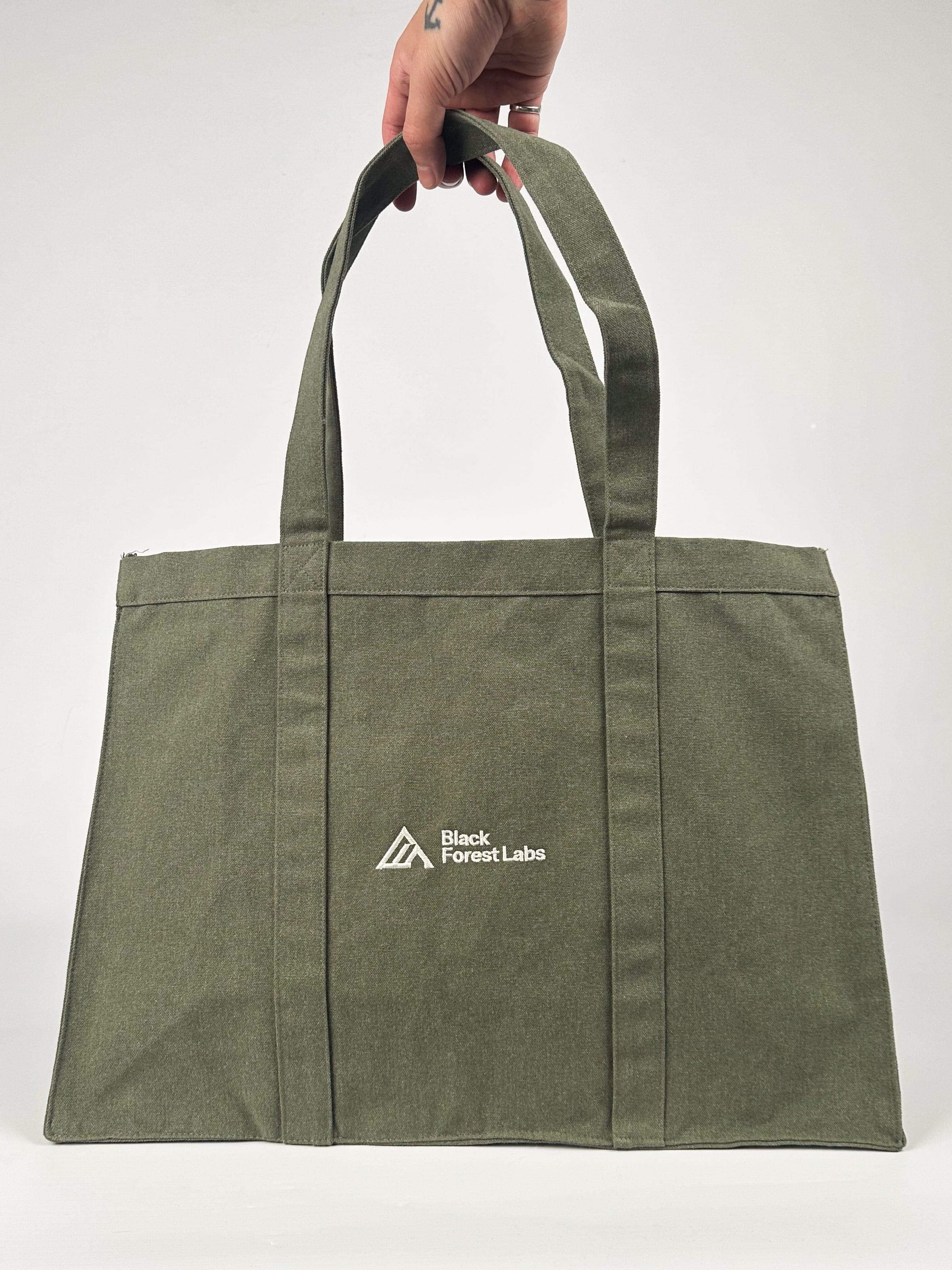
Black Forest Labs · Embroidered canvas tote 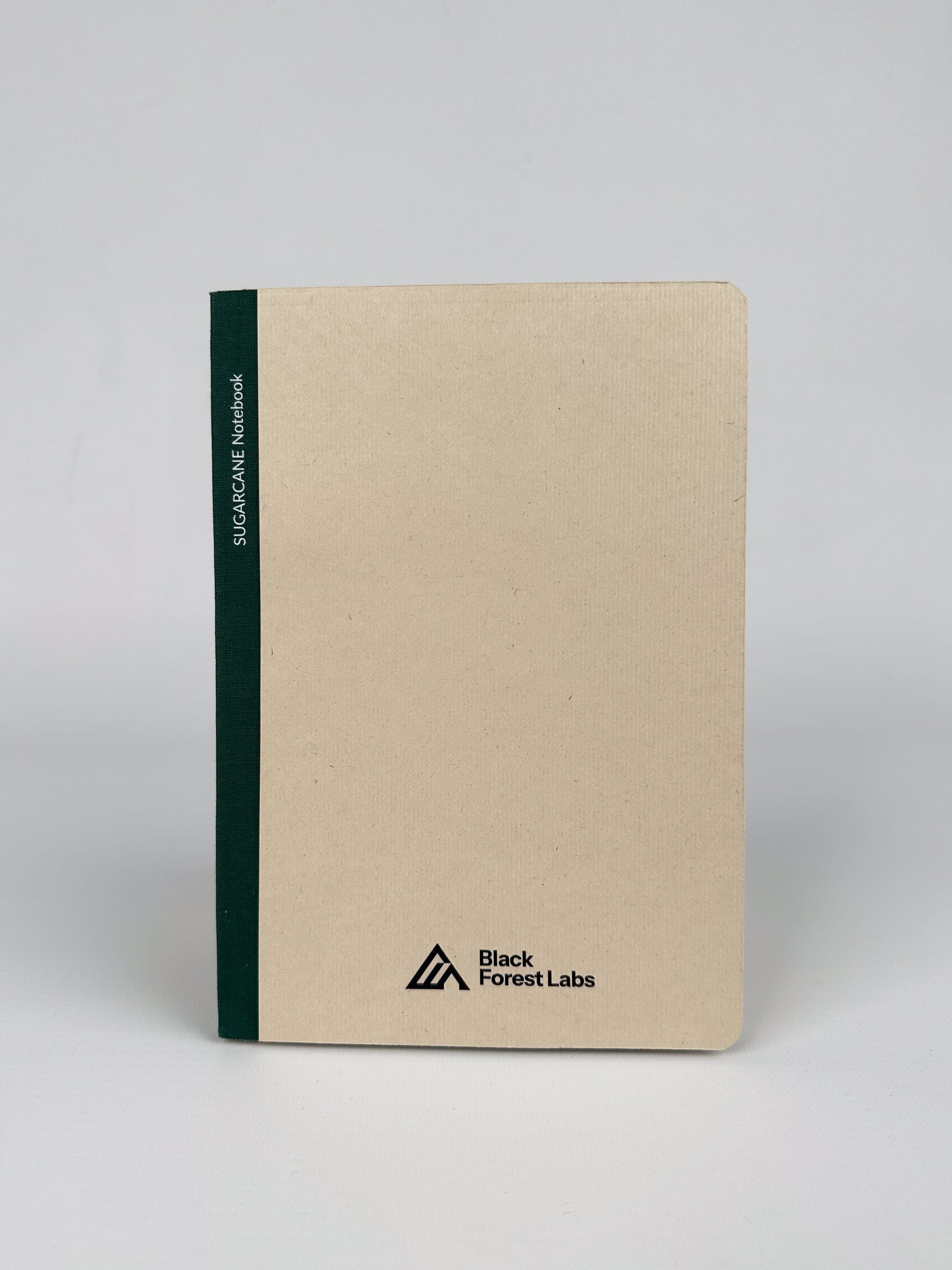
Black Forest Labs · Kraft notebook 
Black Forest Labs · Pencil and pen
For Black Forest Labs’ team, Go Swag created a custom-branded claim page where people entered their preferences and personal details to claim their packs: sweatshirts, a tote, pens and a notebook, with Black Forest Labs branding across the products.
Read the Black Forest Labs storyManaged
Planning a welcome or a programme like this? Tell us who it’s for.
Know what you want and just need to place an order? Shop Select (opens Go Swag Select, a separate site)
Questions about choosing a swag partner.
Where can I buy branded swag?
It depends on the job. For a straightforward order, an online shop such as Go Swag Select (UK delivery only for now) lets you choose products and add your logo yourself. For a programme across people, places or occasions, a managed swag partner runs it for you. For something original, work with a creative studio.
What’s the difference between a swag supplier and a swag partner?
A supplier fulfils the order you place. A partner questions the brief, recommends what will actually work for your recipients, and runs the logistics behind it: storage, claiming, customs and delivery. You can often tell which one you’re talking to within the first call.
Does branded swag work?
When people keep and use it, yes. That depends on the product being useful and well made, the branding being restrained and the gift arriving well. Swag that’s thrown away does the opposite, which is why the choice matters more than the quantity.
Should we choose the cheapest supplier?
Compare the whole cost, not the unit price: support, quality control, storage, delivery and the time your team spends fixing problems. A low quote that leads to stuck shipments or surprise fees costs more in the end.
Do we need a partner for a one-off order?
Not always. If it’s a straightforward order you’re happy to place yourself, an online shop such as Go Swag Select (UK delivery) is the simpler route. A partner earns its place when there are many recipients, several countries or an ongoing programme.
Sources
1 source
- 01When is a contract needed and why is it important? (opens in a new tab) · Information Commissioner’s Office (ICO), accessed 6 October 2026.Back to reference 1

Want us to handle it?
Tell us who you are sending to and what you have in mind. We’ll help connect the products, the packaging and the delivery plan.
Or call 0800 118 4047 or email hello@goswag.com.